how to use claude for business plan
Trying to nail down a business plan can feel like a puzzle, especially when you're juggling a million other things. Figuring out how to use Claude for business plan tasks is becoming a go-to strategy for entrepreneurs and founders who want to streamline their planning process. It's about harnessing the power of AI to get ideas flowing and documentation drafted faster.
Our research confirms that as of 2026, AI tools like Claude are increasingly integrated into the early stages of business development due to their efficiency gains. This guide breaks down exactly how to leverage Claude effectively, moving from initial concept to a polished plan. We'll focus on practical application, common pitfalls, and how to ensure the AI is truly an asset to your strategy, not just a text generator.

Quick Answer
To use Claude for your business plan, provide it with specific context and prompts for each section. Start by brainstorming ideas, then ask Claude to draft market analysis, marketing strategies, and executive summaries. Always fact-check its output and inject your unique insights.
Treat it as an assistant, not a replacement for your business acumen.
Getting Claude Ready for Business Planning
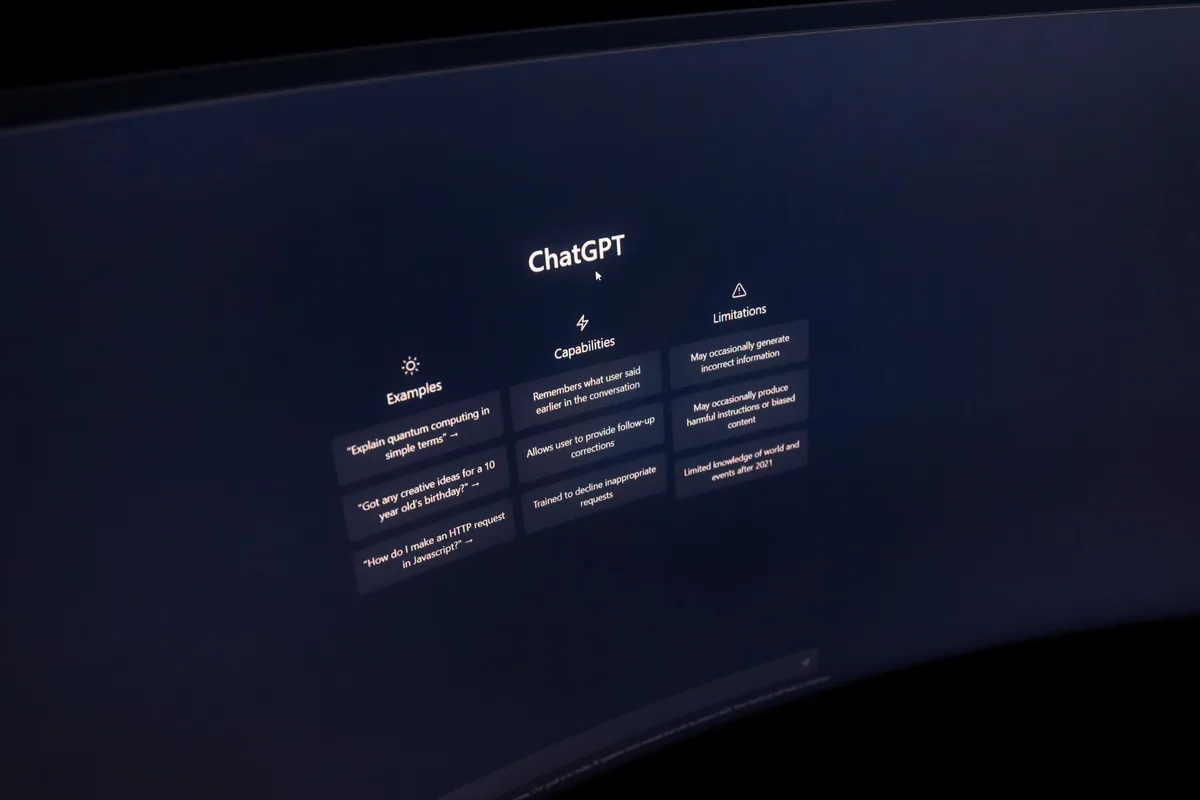
Before you even write your first prompt, it’s crucial to understand that Claude, like any advanced AI, works best when you guide it. Think of it as a brilliant intern; they're capable of amazing work, but they need clear instructions and context to perform optimally. This is especially true when tackling something as complex and nuanced as a business plan, which requires both creativity and rigorous detail.
You're not just going to ask it to "write a business plan" and expect perfection. Instead, you'll break down the process into manageable chunks.
Why is Claude popular? Well, models like Claude are designed for safety and helpfulness, often distinguishing themselves in tasks requiring detailed text generation and creative problem-solving. For instance, manufacturer specifications for advanced AI models indicate they can process context windows of up to 200,000 tokens, meaning they can "remember" and work with vast amounts of information provided in prompts.
This capability is key when building a comprehensive document like a business plan. Your first step is always to define what exactly you need Claude for in this planning phase.
Defining Your Needs: What Do You Want Claude To Do?
This stage is all about clarity. What part of your business plan are you wrestling with right now? Are you at the very beginning, trying to crystallize your core idea and research potential markets?
Or have you already roughed out some sections and need help refining existing content, checking competitor analysis, or polishing your executive summary?
- Idea Generation: Need to brainstorm unique selling propositions, product features, or service innovations?
- Market Research Support: Looking for summaries on target demographics, market trends, or competitor landscapes?
- Strategy Drafting: Want help outlining marketing plans, sales approaches, or operational strategies?
- Content Refinement: Need to rephrase sections for clarity, check tone, or proofread for errors?
Understanding your immediate goal helps you craft more precise prompts. It's also helpful to link to resources that explain the underlying technology. For example, learning about Claude AI's capabilities can inform your prompting strategy; understanding Why Is Claude Popular can give you a better grasp of its strengths.
Setting the Stage: Providing Essential Context to Claude
Once you know what you need, you have to tell Claude about your business. Without context, any output it generates will be generic and likely unhelpful. Imagine asking someone to bake a cake without telling them what kind of cake you want, what ingredients you have, or any dietary restrictions.
Claude needs similar information to provide relevant assistance.
What kind of context should you provide?
- Your Business Concept: Briefly explain what your business does, who it serves, and what problem it solves.
- Target Audience: Who are your ideal customers? What are their demographics, psychographics, and pain points?
- Unique Selling Proposition (USP): What makes your business stand out from competitors? What’s your special sauce?
- Industry: What sector are you operating in? Are there specific industry norms or challenges to consider?
- Stage of Business: Are you pre-launch, in early growth, or seeking funding?
The more detail you provide upfront, the better Claude can tailor its responses. For instance, if you're developing a business plan for a sustainable fashion startup, you'd mention that clearly, along with your target eco-conscious consumer demographic. This initial setup is a vital part of leveraging AI tools like Claude, as detailed in a Claude Ai Beginner Guide.
Brainstorming and Idea Incubation with Claude
This is where AI can truly shine as a creative partner. If you're staring at a blank page or an idea that feels a bit fuzzy, Claude can help you flesh it out, explore different angles, and even spark entirely new concepts you hadn't considered. It’s like having a brainstorming session on demand, with an AI that can quickly process and synthesize information from a vast dataset.
Generating Initial Business Concepts and Hooks
When you’re at the very start and just have a hunch or a general need you want to address, Claude can help you form that into a concrete business idea. You can ask it to generate potential business concepts based on trends, problem statements, or even broad industries. This helps you move past vague notions to more defined opportunities.
Consider these prompt approaches:
- Trend-Based: "Based on the growing demand for health-conscious convenient meal options, suggest three innovative business concepts for a meal kit service."
- Problem-Focused: "My community lacks accessible childcare options for single parents during non-traditional work hours. What business models could address this need?"
- Industry Exploration: "What are some emerging opportunities within the sustainable tech sector that a small startup could pursue?"
Claude can also help you craft compelling hooks or taglines that capture the essence of your business idea, making it easier to communicate your vision. This initial concept generation is often the first hurdle for many entrepreneurs, and AI can significantly smooth that path. To understand more about the foundational AI behind these tools, you might look at a Claude Ai Vs Openai Overview.
Exploring Market Opportunities and Unmet Needs
Once you have a promising concept, the next critical step is validating it. This involves understanding the market. Claude can assist by helping you identify potential customer segments, analyze market trends, and pinpoint unmet needs.
While it can't conduct live market research, it can synthesize information from its training data to provide valuable insights.
- Target Audience Profiling: "Describe the typical customer for a subscription box service focused on artisanal coffee, including their income level, interests, and online habits."
- Identifying Gaps: "What are the key pain points currently experienced by users of project management software that a new tool could address?"
- Trend Analysis: "What are the current consumer trends in the pet care industry that might indicate new product or service opportunities?"
By using Claude to explore these areas, you can gain a quicker, preliminary understanding of your market. This allows you to refine your business concept and gather focused questions for any deeper, direct market research you plan to conduct.
Drafting Key Business Plan Sections with Claude

After you've brainstormed and explored, it's time to start putting your business plan down on paper. This is where Claude can transform from a brainstorming partner to a diligent drafting assistant. A business plan is a formal document, and while Claude can generate text rapidly, remember that it is a tool to help you articulate your ideas, not to replace your strategic thinking.
You will still need to guide it stringently and edit its output vigorously.
Crafting a Compelling Executive Summary
The executive summary is arguably the most important section of your business plan. It’s often the first thing investors or stakeholders read, and it needs to be a concise, persuasive overview of your entire plan. This is where Claude can be incredibly helpful, especially if you're struggling to distill your complex ideas into a short, impactful summary.
Here’s how to approach it:
- Provide Key Information: After drafting other sections, copy and paste the most critical points about your business, market, strategy, and financial projections into Claude.
- Specify Constraints: Clearly state the desired length (e.g., "under 250 words," "one page").
- Request Tone: Ask for a tone that is confident, professional, and enthusiastic.
- Prompt Example: "Based on the following key details about my business [paste key details here, e.g., business concept, target market, USP, revenue model, primary financial ask], draft a persuasive executive summary for a business plan. Keep it concise, ideally under 250 words, and ensure it highlights our competitive advantage and growth potential."
Claude can generate multiple versions, allowing you to pick the best starting point or combine elements from different drafts. This process can save you significant time compared to writing it from scratch, though final editing for accuracy and flow is essential. Understanding the foundational differences in AI models, such as Is Claude Better Than Chatgpt, can help you choose the right tool for specific tasks within your plan.
Building Out Market Analysis and Target Audience Details
A robust market analysis is the backbone of any solid business plan. It demonstrates you understand the landscape you're entering. Claude can assist in compiling preliminary information about your industry, target customers, and competitive environment.
However, it's critical to remember that AI's knowledge is based on its training data, which might not always be up-to-date or specific enough for precise market sizing.
Here’s how to use Claude for this section:
Industry Overview: Ask Claude to summarize key trends, market size estimates (and then verify these figures independently), and growth projections for your industry.
Target Market Segmentation: Prompt Claude to describe your ideal customer profiles (personas), including demographics, psychographics, buying behaviors, and needs.
Competitor Analysis: Request a summary of potential competitors, their strengths, weaknesses, and market positioning.
Prompt Example: "Provide a summary of the key market trends in the electric vehicle charging infrastructure sector as of late 2025. Also, describe the primary customer segments for residential charging solutions, including their motivations for adoption."
It's vital to treat the information Claude provides here as a starting point. You'll need to cross-reference its output with reputable sources, conduct your own primary research (surveys, interviews), and apply your specific knowledge of your market. You can find more information on various Ai Tools that can aid this research.
Developing Marketing and Sales Strategies
Defining how you'll reach and convert customers is a core part of your business plan. Claude can help you brainstorm and outline various marketing and sales strategies, providing frameworks and tactical ideas that you can then adapt. This can include digital marketing tactics, content creation ideas, sales funnel structures, and partnership opportunities.
Digital Marketing Channels: Ask for suggestions on social media platforms, SEO strategies, content marketing ideas, and paid advertising approaches relevant to your target audience.
Sales Funnel Outline: Request a breakdown of a typical sales funnel for your type of business, including lead generation, nurturing, conversion, and retention stages.
Promotional Tactics: Prompt Claude for ideas on launch promotions, customer loyalty programs, or partnership initiatives.
Prompt Example: "Outline a go-to-market strategy for a new online learning platform targeting freelance graphic designers. Include recommendations for digital advertising, content marketing, and community building efforts. Suggest key performance indicators (KPIs) for each initiative."
When using Claude for strategy development, remember to clearly define your budget constraints and desired outcomes. The AI can generate brilliant ideas, but your business's specific financial reality and operational capacity will determine what's feasible. The insights gained here are often built upon foundational AI research, like that discussed by Ethan.
Exploring Market Opportunities and Unmet Needs
Once you have a promising concept, the next critical step is validating it. This involves understanding the market. Claude can assist by helping you identify potential customer segments, analyze market trends, and pinpoint unmet needs.
While it can't conduct live market research, it can synthesize information from its training data to provide valuable insights.
- Target Audience Profiling: "Describe the typical customer for a subscription box service focused on artisanal coffee, including their income level, interests, and online habits."
- Identifying Gaps: "What are the key pain points currently experienced by users of project management software that a new tool could address?"
- Trend Analysis: "What are the current consumer trends in the pet care industry that might indicate new product or service opportunities?"
By using Claude to explore these areas, you can gain a quicker, preliminary understanding of your market. This allows you to refine your business concept and gather focused questions for any deeper, direct market research you plan to conduct.
Drafting Key Business Plan Sections with Claude
After you've brainstormed and explored, it's time to start putting your business plan down on paper. This is where Claude can transform from a brainstorming partner to a diligent drafting assistant. A business plan is a formal document, and while Claude can generate text rapidly, remember that it is a tool to help you articulate your ideas, not to replace your strategic thinking.
You will still need to guide it stringently and edit its output vigorously.
Crafting a Compelling Executive Summary
The executive summary is arguably the most important section of your business plan. It’s often the first thing investors or stakeholders read, and it needs to be a concise, persuasive overview of your entire plan. This is where Claude can be incredibly helpful, especially if you're struggling to distill your complex ideas into a short, impactful summary.
Here’s how to approach it:
- Provide Key Information: After drafting other sections, copy and paste the most critical points about your business, market, strategy, and financial projections into Claude.
- Specify Constraints: Clearly state the desired length (e.g., "under 250 words," "one page").
- Request Tone: Ask for a tone that is confident, professional, and enthusiastic.
- Prompt Example: "Based on the following key details about my business [paste key details here, e.g., business concept, target market, USP, revenue model, primary financial ask], draft a persuasive executive summary for a business plan. Keep it concise, ideally under 250 words, and ensure it highlights our competitive advantage and growth potential."
Claude can generate multiple versions, allowing you to pick the best starting point or combine elements from different drafts. This process can save you significant time compared to writing it from scratch, though final editing for accuracy and flow is essential. Understanding the foundational differences in AI models, such as Is Claude Better Than Chatgpt, can help you choose the right tool for specific tasks within your plan.
Building Out Market Analysis and Target Audience Details
A robust market analysis is the backbone of any solid business plan. It demonstrates you understand the landscape you're entering. Claude can assist in compiling preliminary information about your industry, target customers, and competitive environment.
However, it's critical to remember that AI's knowledge is based on its training data, which might not always be up-to-date or specific enough for precise market sizing.
Here’s how to use Claude for this section:
Industry Overview: Ask Claude to summarize key trends, market size estimates (and then verify these figures independently), and growth projections for your industry.
Target Market Segmentation: Prompt Claude to describe your ideal customer profiles (personas), including demographics, psychographics, buying behaviors, and needs.
Competitor Analysis: Request a summary of potential competitors, their strengths, weaknesses, and market positioning.
Prompt Example: "Provide a summary of the key market trends in the electric vehicle charging infrastructure sector as of late 2025. Also, describe the primary customer segments for residential charging solutions, including their motivations for adoption."
It's vital to treat the information Claude provides here as a starting point. You'll need to cross-reference its output with reputable sources, conduct your own primary research (surveys, interviews), and apply your specific knowledge of your market. You can find more information on various Ai Tools that can aid this research.
Developing Marketing and Sales Strategies
Defining how you'll reach and convert customers is a core part of your business plan. Claude can help you brainstorm and outline various marketing and sales strategies, providing frameworks and tactical ideas that you can then adapt. This can include digital marketing tactics, content creation ideas, sales funnel structures, and partnership opportunities.
Digital Marketing Channels: Ask for suggestions on social media platforms, SEO strategies, content marketing ideas, and paid advertising approaches relevant to your target audience.
Sales Funnel Outline: Request a breakdown of a typical sales funnel for your type of business, including lead generation, nurturing, conversion, and retention stages.
Promotional Tactics: Prompt Claude for ideas on launch promotions, customer loyalty programs, or partnership initiatives.
Prompt Example: "Outline a go-to-market strategy for a new online learning platform targeting freelance graphic designers. Include recommendations for digital advertising, content marketing, and community building efforts. Suggest key performance indicators (KPIs) for each initiative."
When using Claude for strategy development, remember to clearly define your budget constraints and desired outcomes. The AI can generate brilliant ideas, but your business's specific financial reality and operational capacity will determine what's feasible. The insights gained here are often built upon foundational AI research, like that discussed by Ethan.
The next sections will dive into what you need to be careful about and how to truly make this AI an asset.
Navigating the Pitfalls of AI-Assisted Planning
Using AI like Claude can dramatically speed up your business planning, but it’s not a magic bullet. There are specific traps you can fall into if you aren’t mindful. Recognizing these potential issues upfront helps you use Claude more effectively and produce a stronger, more reliable business plan.
Think of this as your AI-assisted planning safety checklist.
Avoiding Factual Inaccuracies and Hallucinations
This is the big one. AI models, including advanced ones, can sometimes generate information that sounds plausible but is factually incorrect. This phenomenon is often referred to as "hallucination." For a business plan, where accuracy is paramount for gaining trust and making sound decisions, this is a significant risk.
- Market Size Estimates: Claude might provide figures for market size or growth rates that are outdated or fabricated.
- Competitor Data: Details about competitors' revenue, market share, or product features can be imprecise.
- Regulatory Information: Claims about specific regulations or compliance requirements could be misstated.
What to Do: Always, always cross-reference any factual claims generated by Claude with reliable primary sources. This includes government reports, industry-specific research firms, or official manufacturer data. If Claude states a specific market size, immediately search for recent reports from recognized industry bodies to confirm or correct the number.
Ensuring Originality and Your Unique Voice
Claude generates text based on patterns in its training data. This means its output can sometimes sound generic or lack the specific nuance and passion that define your unique business vision. Your business plan needs to reflect your specific insights, your understanding of your niche, and your personal drive.
- Generic Language: AI might use stock phrases or overly common business jargon that doesn't ring true to your brand.
- Lack of Personality: The writing might feel sterile, failing to convey the energy and conviction behind your venture.
- Repetitive Sentiments: Without careful prompting, it might repeat the same points in slightly different ways.
What to Do: After Claude generates text, read it from the perspective of someone who knows your business intimately. Does it sound like you? Does it truly capture the unique value proposition?
Edit liberally, inject your own phrasing, and add specific anecdotes or examples that only you would know. Think about who, besides yourself, is on your team. For example, reviews from Mark Airfryeegmail Com on other tech might offer insights into how human editors approach AI text.
Protecting Sensitive Business Information
When you interact with AI models, especially those that might store conversation history (though many advanced models offer privacy controls), you need to be aware of data security. Sharing highly confidential information, proprietary formulas, unreleased product details, or sensitive financial projections could pose a risk if not handled carefully.
- Confidential Data: Avoid inputting highly sensitive trade secrets or future product roadmaps directly into the prompt.
- Personal Information: Do not share personal identification details of yourself or your team beyond what is absolutely necessary for context.
- Legal Agreements: If you're discussing terms of potential new contracts or partnerships, blur out names and specific deal terms.
What to Do: Always check the privacy policy of the AI tool you are using. Many offer options to disable conversation history or provide enterprise-level security. When in doubt, anonymize the data, use placeholders for company names, specific dollar amounts, or personal names.
Focus on providing the structure and logic of your sensitive information rather than the raw data itself. For instance, instead of saying "We'll have $5 million in revenue by Q4 2026," you could say "We project significant revenue in the final quarter, with a target in the millions."
Expert Advice for Maximizing Claude's Potential
To truly harness Claude's power for your business plan, it’s not enough to just ask questions. You need to approach the interaction strategically. This means understanding how to communicate your needs effectively and knowing when to trust the AI versus when to rely on your own judgment.
It’s about partnership, not delegation.
Mastering Prompt Engineering for Business Plans
The quality of Claude’s output is directly proportional to the quality of your prompts. "Prompt engineering" is the art and science of crafting effective instructions for AI. For business plans, this means being incredibly specific, providing context, and iterating.
Here’s a breakdown of effective prompt engineering for this task:
- Be Specific: Instead of "Write about marketing," try "Draft three distinct email marketing campaigns targeting customers who abandoned their shopping carts, focusing on product benefits and limited-time discounts."
- Provide Context: Always include relevant background information. "For a SaaS company selling project management software aimed at small agencies…"
- Define the Output Format: "Provide the answer as a bulleted list," or "Structure this as a table with columns for Feature, Benefit, and Target Audience."
- Assign a Role: "Act as a marketing consultant advising a new e-commerce startup…"
- Iterate and Refine: If the first response isn't quite right, don't give up. Tell Claude what's missing or what needs to be changed. "This is good, but can you make the tone more urgent?" or "Can you expand on the competitor analysis for Company X?"
Good prompting takes practice, but it's the single most impactful skill for getting valuable results from AI assistants. Many resources, including general AI tools, can help you improve your prompting skills.
When to Trust Claude and When to Deviate
Claude is excellent at generating text, summarizing information, and proposing structures. It can help you overcome writer's block and format ideas quickly. However, it lacks true business intuition, real-world experience, and the deep understanding of your specific market that you possess.
Trust Claude for:
- Drafting initial sections: Getting text on the page for market analysis, company description, or marketing tactics.
- Summarizing complex information: Condensing research papers or industry reports.
- Suggesting frameworks: Outlining strategies or operational plans.
- Proofreading and grammar checks: Catching typos and basic grammatical errors.
Deviate from Claude when:
- Quantifying strategic decisions: Financial projections, pricing strategies, and critical resource allocation require your judgment.
- Expressing unique vision and passion: The core of your business plan should convey your personal commitment.
- Incorporating highly specific, current, or proprietary data: AI cannot access real-time, private, or future-dated information reliably.
- Making final strategic choices: The ultimate "why" and "how" of your business should be your decision.
Remember, Claude is an assistant. It provides raw material and helps with the mechanics of writing. You are the strategist, the visionary, and the ultimate arbiter of what makes sense for your business.
This concept is a core part of understanding how AI Tools are evolving.
The Role of Human Oversight in AI-Assisted Plans
Even with the most sophisticated AI, human oversight remains non-negotiable for a robust business plan. Your critical thinking and domain expertise are the essential components that transform AI-generated text into a powerful strategic document. This is where the real value is created.
Think of Claude as a sophisticated word processor and research assistant, but you are the editor-in-chief and the CEO. Your role involves:
- Fact-Verification: As mentioned, all data points must be confirmed.
- Strategic Validation: Ensure the strategies proposed align with your long-term goals and resources.
- Nuance and Insight: Injecting your specific understanding of the market, your customers, and your competitive advantages.
- Tone and Brand Consistency: Making sure the language reflects your brand voice and resonates with your target audience.
- Completeness Check: Ensuring all critical aspects of the business are addressed logically and comprehensively.
A business plan is a living document that reflects your entrepreneurial journey. While Claude can accelerate its creation, it’s your expertise and judgment that will make it successful.